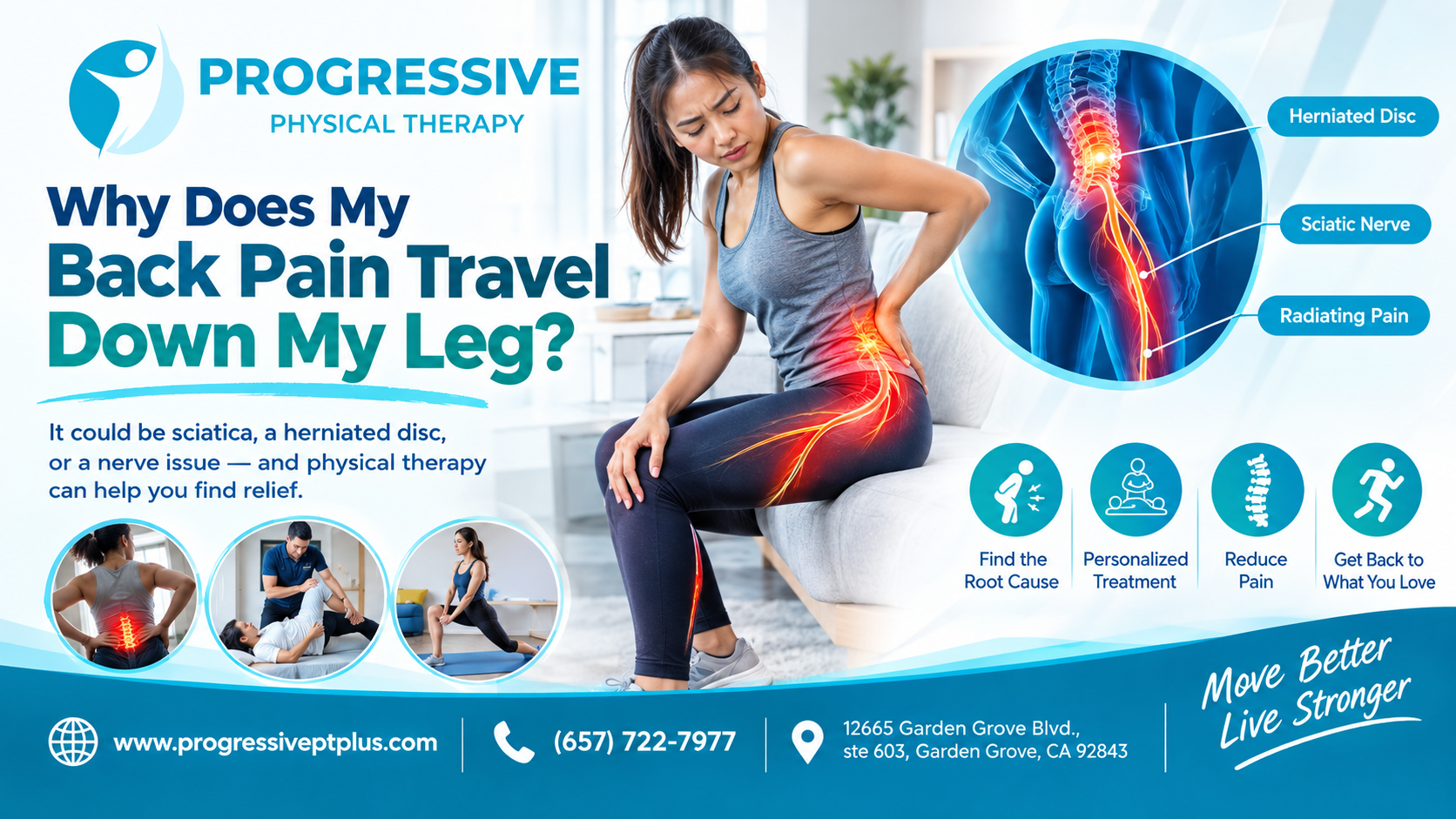
Why Low Back Pain Keeps Coming Back
Why Low Back Pain Keeps Coming Back

Low back pain is one of the most common reasons people seek physical therapy. While many individuals experience temporary relief through rest, medication, or stretching, the discomfort often returns weeks or months later. Recurring low back pain can interfere with work, exercise, and everyday activities, making it difficult to maintain an active lifestyle.
Understanding why low back pain keeps coming back is an important step toward finding lasting relief and improving overall function.
Poor Movement Patterns
One of the most common reasons low back pain returns is improper movement mechanics. Everyday activities such as lifting, bending, sitting, and standing can place excessive stress on the spine when performed incorrectly.
Over time, these repetitive stresses may contribute to ongoing irritation and discomfort, especially if the underlying movement habits are never addressed.
Weak Core and Supporting Muscles
The muscles surrounding the spine, hips, and abdomen help provide stability during movement. When these muscles become weak or imbalanced, the lower back often compensates by working harder than it should.
Common contributing factors include:
- Weak abdominal muscles
- Poor hip strength
- Reduced glute activation
- Limited trunk stability
Physical therapy can help identify these weaknesses and develop exercises designed to improve support for the lower back.
Sitting for Long Periods
Modern lifestyles often involve extended periods of sitting at a desk, in a car, or while working from home. Prolonged sitting can increase stress on spinal structures and contribute to muscle tightness.
Individuals who spend much of the day seated may notice recurring symptoms, particularly when posture and workstation setup are not optimized.
Returning to Activity Too Quickly
Many people stop treatment or discontinue exercises as soon as symptoms improve. While pain may decrease, the underlying cause may not be fully resolved.
Returning to demanding activities too quickly can increase the likelihood of recurring episodes. Gradual progression and continued strengthening are often important for long-term success.
Stress and Lifestyle Factors
Physical factors are not the only contributors to recurring low back pain. Stress, poor sleep, and lack of regular physical activity may also influence pain levels and recovery.
Some common lifestyle-related contributors include:
- Chronic stress
- Inadequate sleep
- Sedentary habits
- Reduced physical conditioning
Addressing these factors alongside physical therapy may help support better outcomes.
How Physical Therapy Can Help
Physical therapy focuses on identifying the root causes of recurring low back pain rather than simply addressing symptoms. Treatment may include:
- Movement assessments
- Strengthening exercises
- Mobility training
- Postural education
- Activity modification strategies
By addressing contributing factors and building long-term resilience, patients can improve their ability to move comfortably and confidently.
Conclusion
Recurring low back pain is often the result of multiple contributing factors rather than a single injury. Poor movement patterns, muscle weakness, prolonged sitting, and lifestyle habits can all play a role. Understanding these causes and addressing them through a personalized rehabilitation plan may help individuals reduce future flare-ups and maintain a healthier, more active lifestyle.